1694
An exile arrives
The Dutch East India Company banishes Shaykh Yusuf of Makassar to the Cape. He is remembered as a founder of Islam here, and his kramat still stands at Macassar.
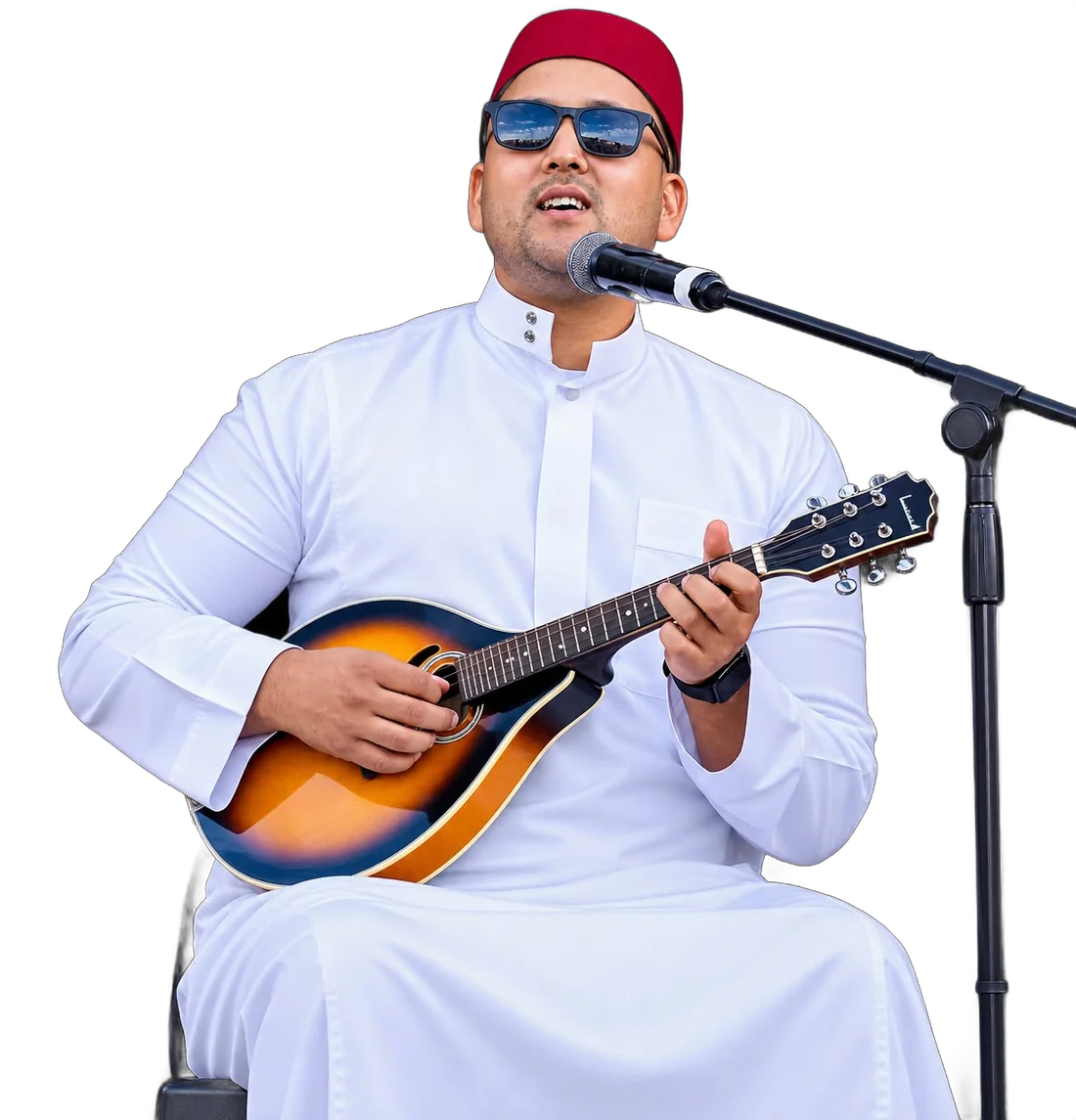
Cape Malay qasidas, thikr and Nederlandsliedjies, led by Mansoor Joseph
Jawap is how the Cape says jawab, the Arabic for an answer. Old-school madrasah teachers called it out to get children reciting properly. Mansoor took the word to the stage.
When he sings, the room answers.

These songs crossed an ocean. From Java and Makassar, from India and Ceylon, from Madagascar and Mozambique, people were brought to the Cape in chains or sent here in exile, and they came with the music of the Indian Ocean in their ears.
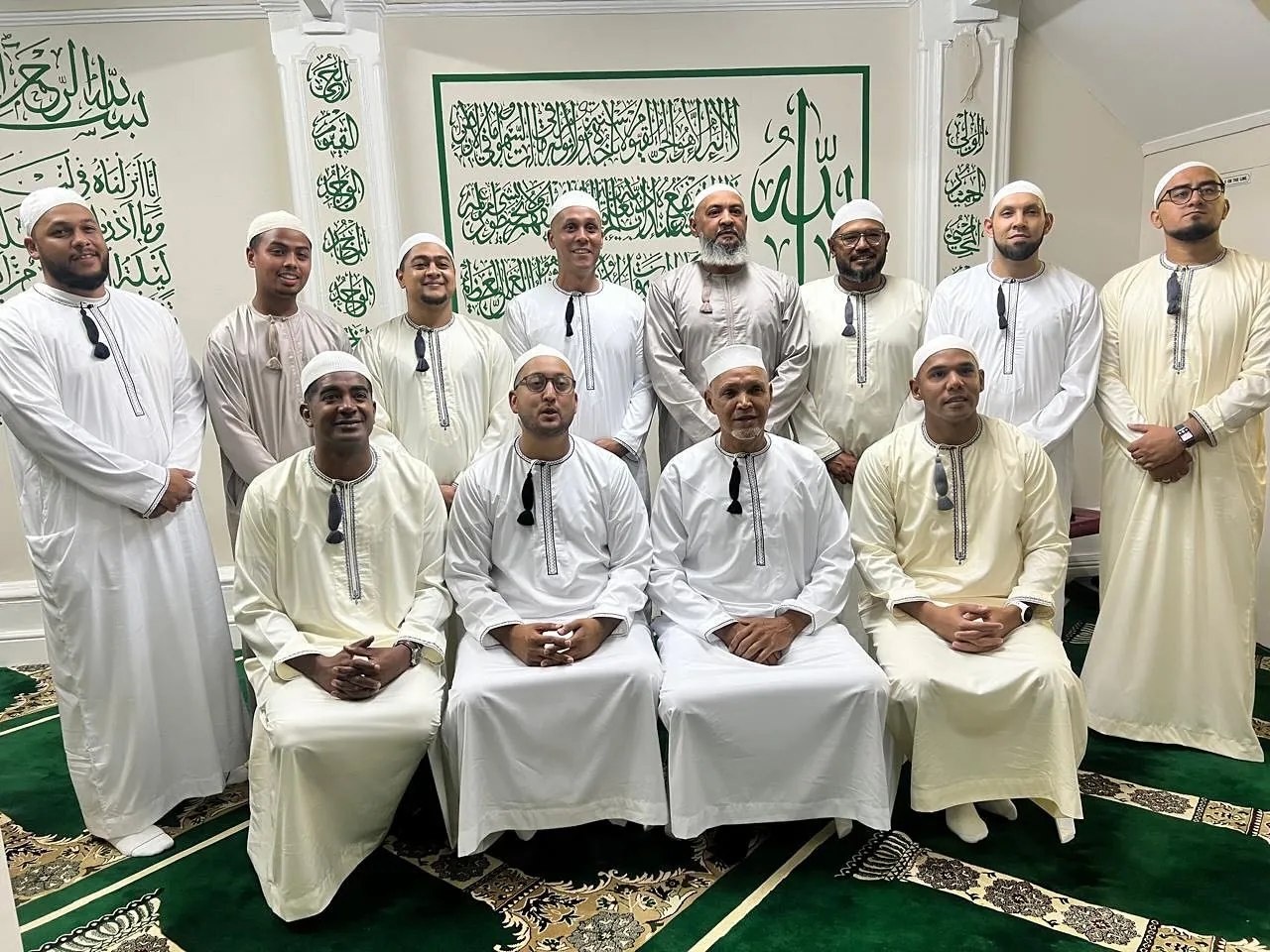
Far from home, they sang. Qasidas and thikr carried their grief and their quiet defiance, and Islam gave the words their beauty. Over three centuries those melodies met Dutch folk song and the streets of Cape Town, and became a sound you only hear here.
JAWAP was founded by Mansoor Joseph to keep that sound alive, in the room, with people singing along.
Three hundred years, one house at a time.
1694
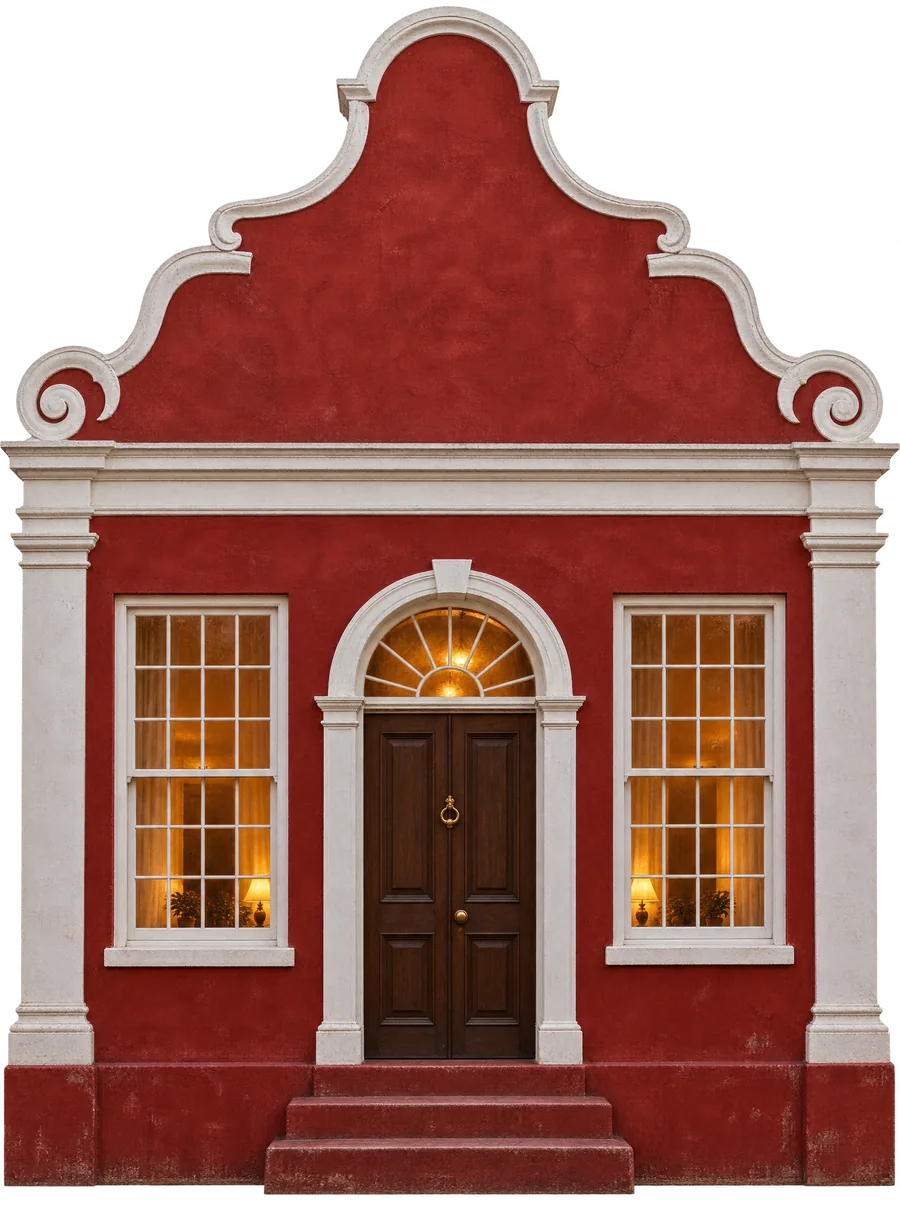
The Dutch East India Company banishes Shaykh Yusuf of Makassar to the Cape. He is remembered as a founder of Islam here, and his kramat still stands at Macassar.

1790s
Tuan Guru, freed after years on Robben Island, founds the Auwal Masjid in Bo-Kaap. Thikr and qasidas have a home, and the community grows around it.

Generations
Old Dutch melodies are taken up and reshaped with the ornament of the Cape Malay voice. The Nederlandsliedjies are born, and the Malay choirs that carry them.

Every wedding
Banjo, guitar and the ghoema drum. Songs learnt at nikahs, in the choir hall and at the family table, from one generation to the next.
Today
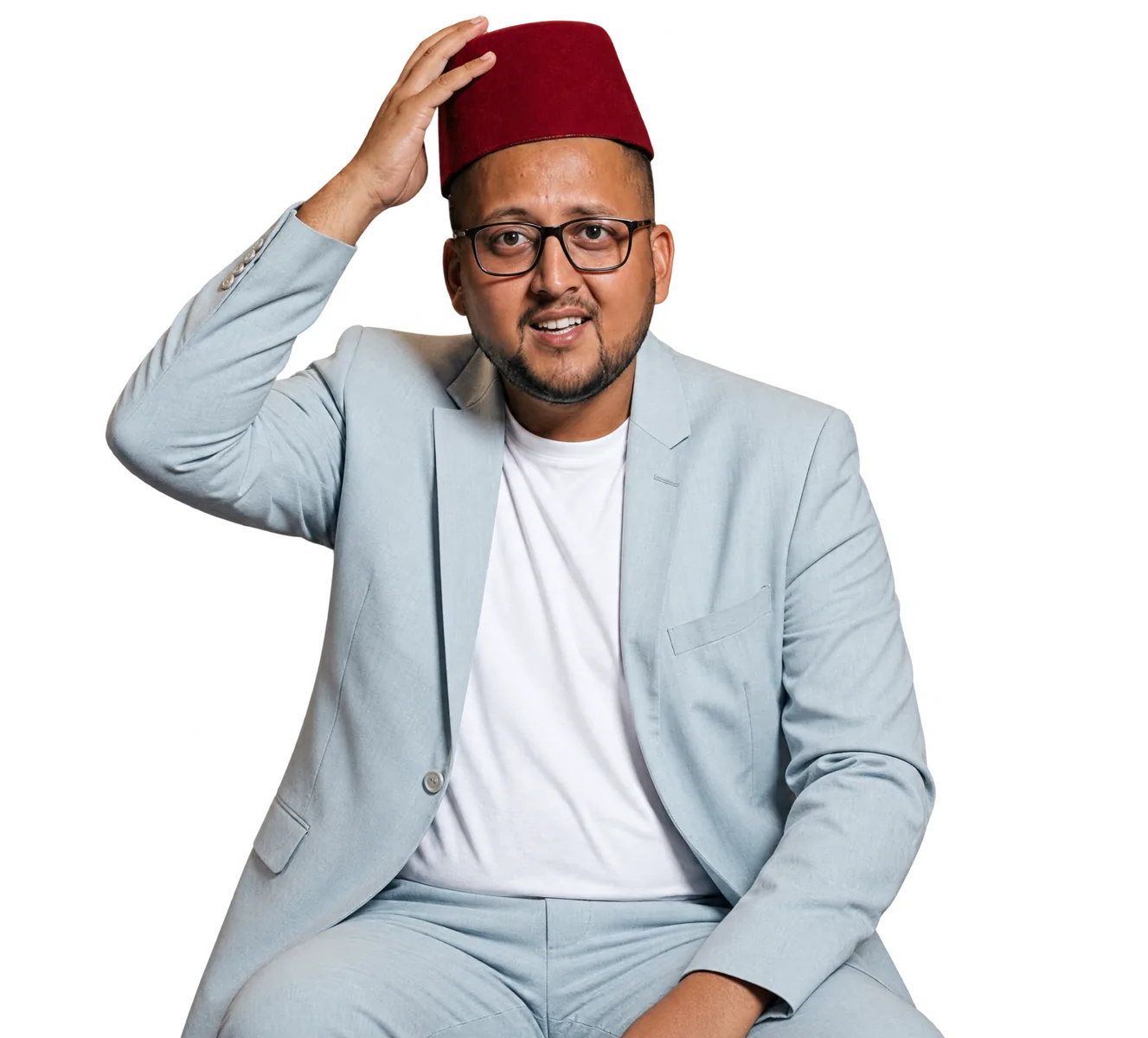
Mansoor Joseph and the band bring it to your celebration. The red fez on stage is worn with pride, a sign of Cape Malay identity that goes back generations.
Book JAWAP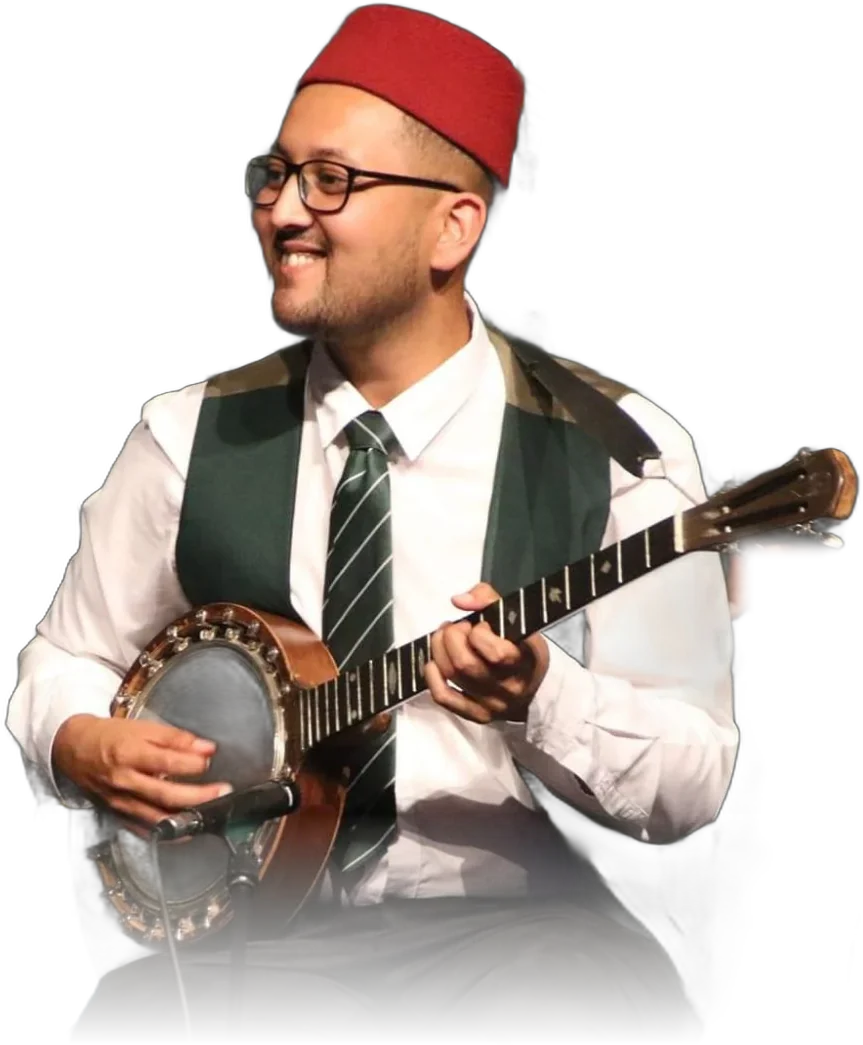
The bright, ringing voice of the Malay choir band. It carries the tune when the singers take a breath.
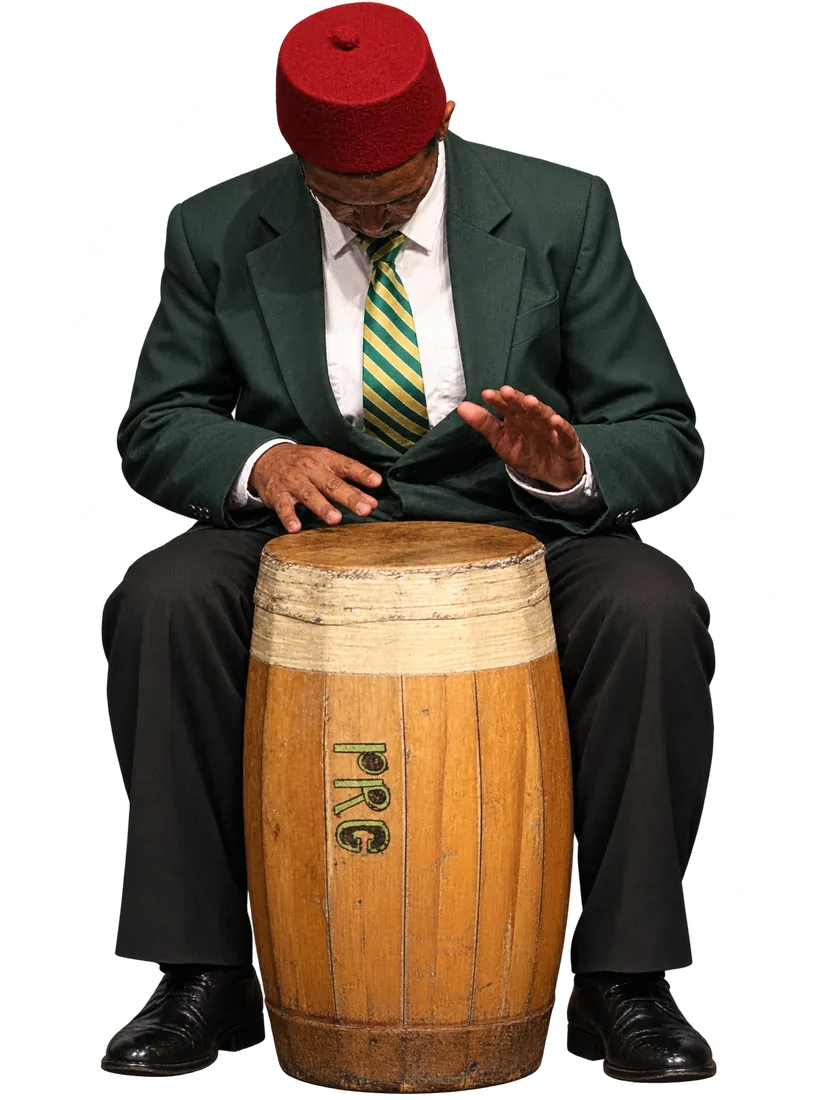
A small barrel drum, played with the hands. Its beat gave Cape music its name and its swing.
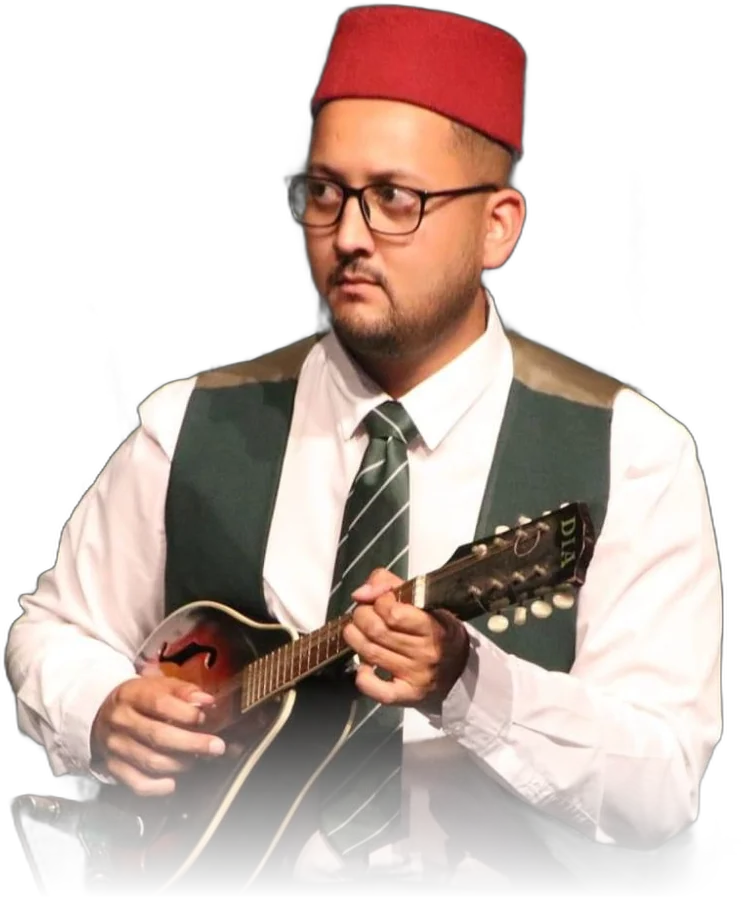
Mansoor's instrument for the qasidas. Quick and delicate, and it sits right next to the voice.
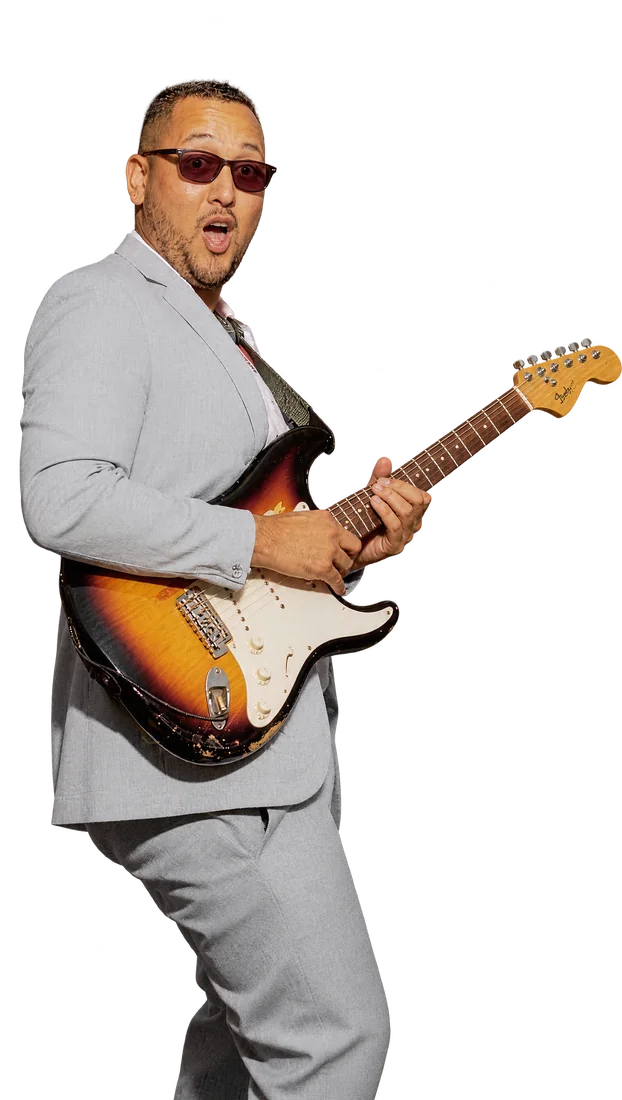
Keep time and fill out the chords under the voices, so the whole room can sing along.
“Mansoor delivered beyond our expectations. The JAWAP experience was filled with nostalgic tunes.”
Raghma Hartley
On the programme
Classical Islamic devotional songs, chosen to move the heart and sung the Cape Malay way, with the ornament and swing you won't hear anywhere else.
A traditional Cape Muslim thikr, rooted in the spiritual heritage of the Cape Malay community. Recited together with rhythmic devotion, it carries the community's deep Islamic faith.
A Cape Town anthem in praise of the beloved Nabi ﷺ. Slow and melodious, sung with the vocal flair you only hear from a Cape Malay voice.
A love story of loyalty and devotion. Sung for generations at Cape Muslim weddings, cultural gatherings and Malay Choir competitions, it has become one of the lasting songs of Cape identity.
Deep in Cape musical heritage, it reflects the community's long link with Dutch-influenced folk music, and it's still a much-loved favourite at Cape Malay performances and celebrations.
Have a song your family loves? Ask for it when you book.

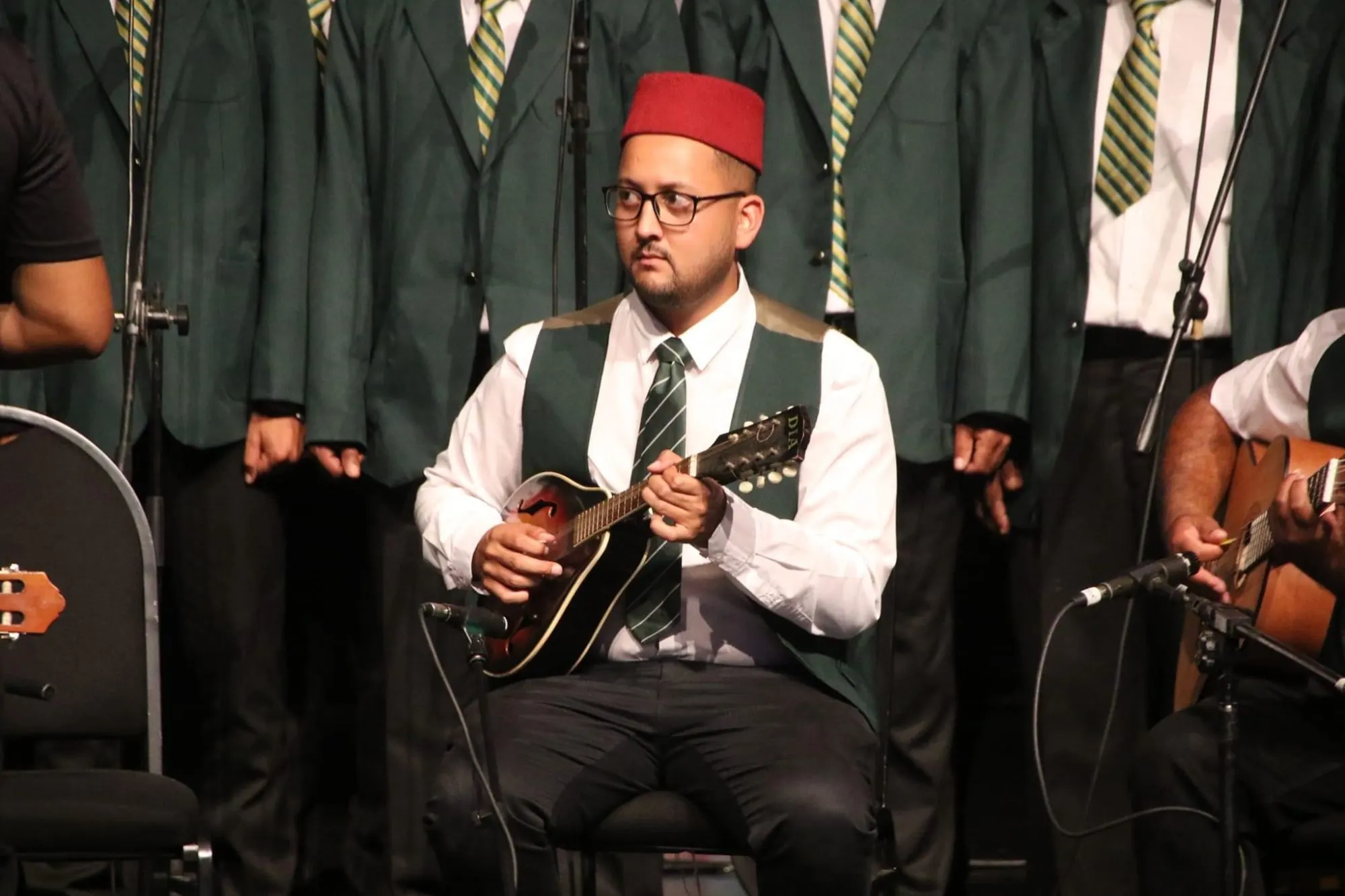
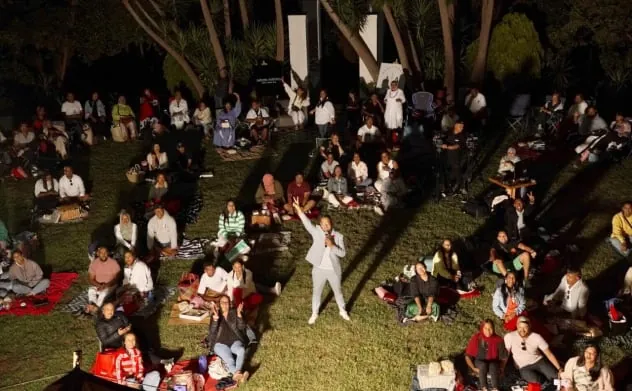
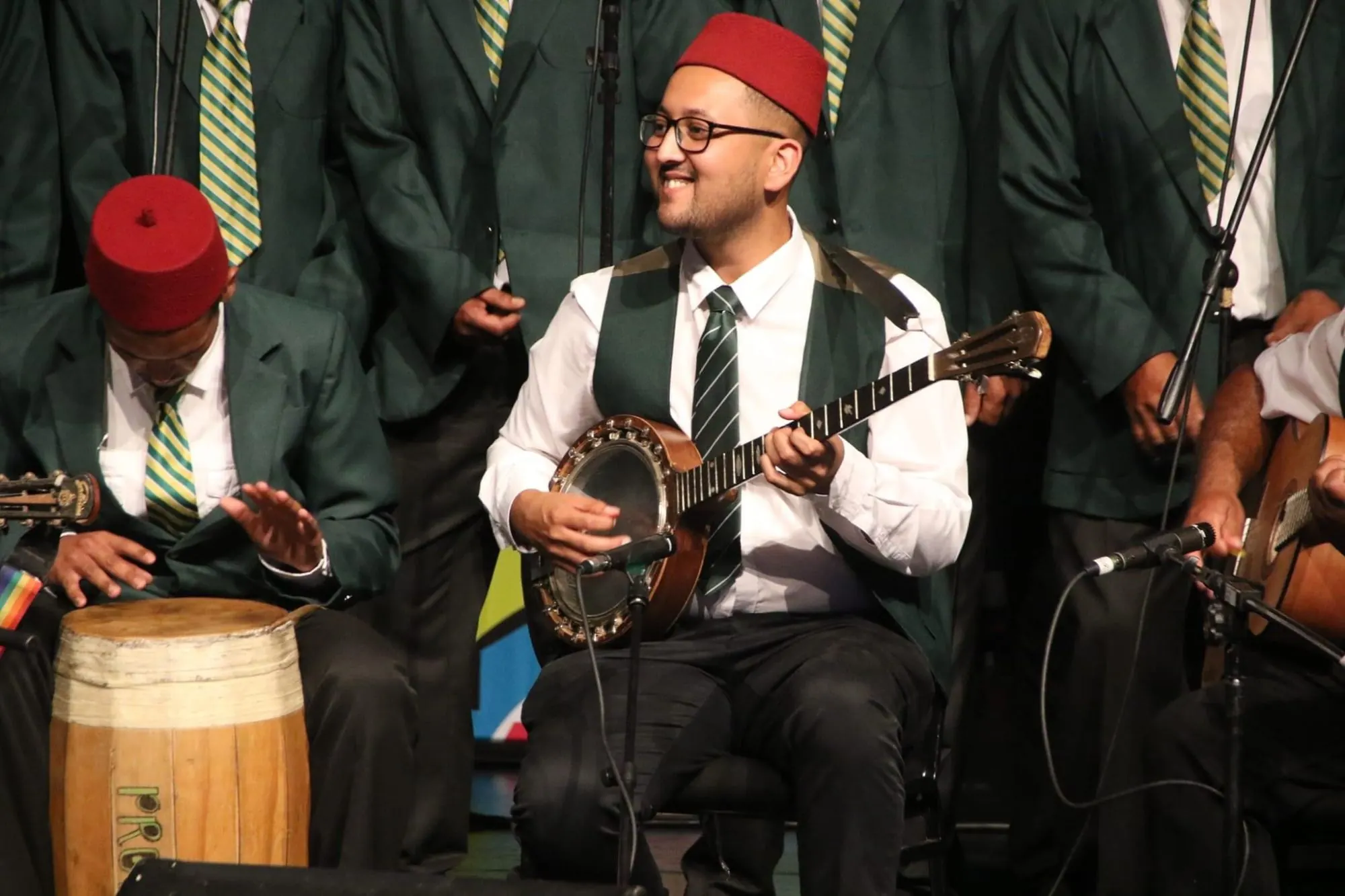
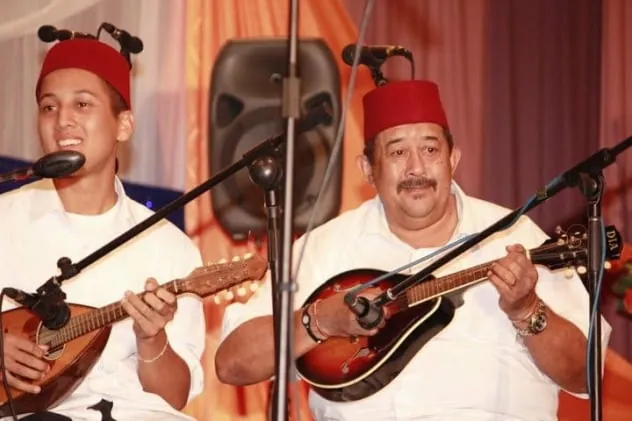
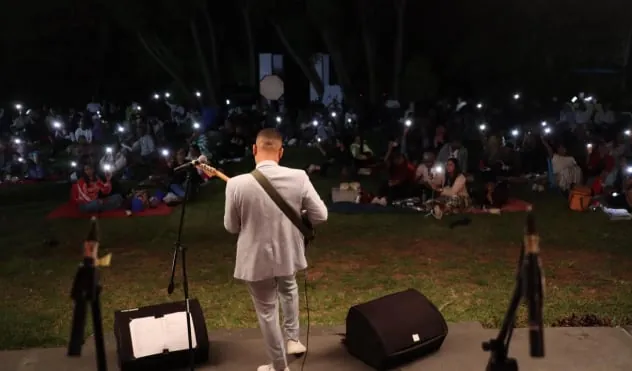
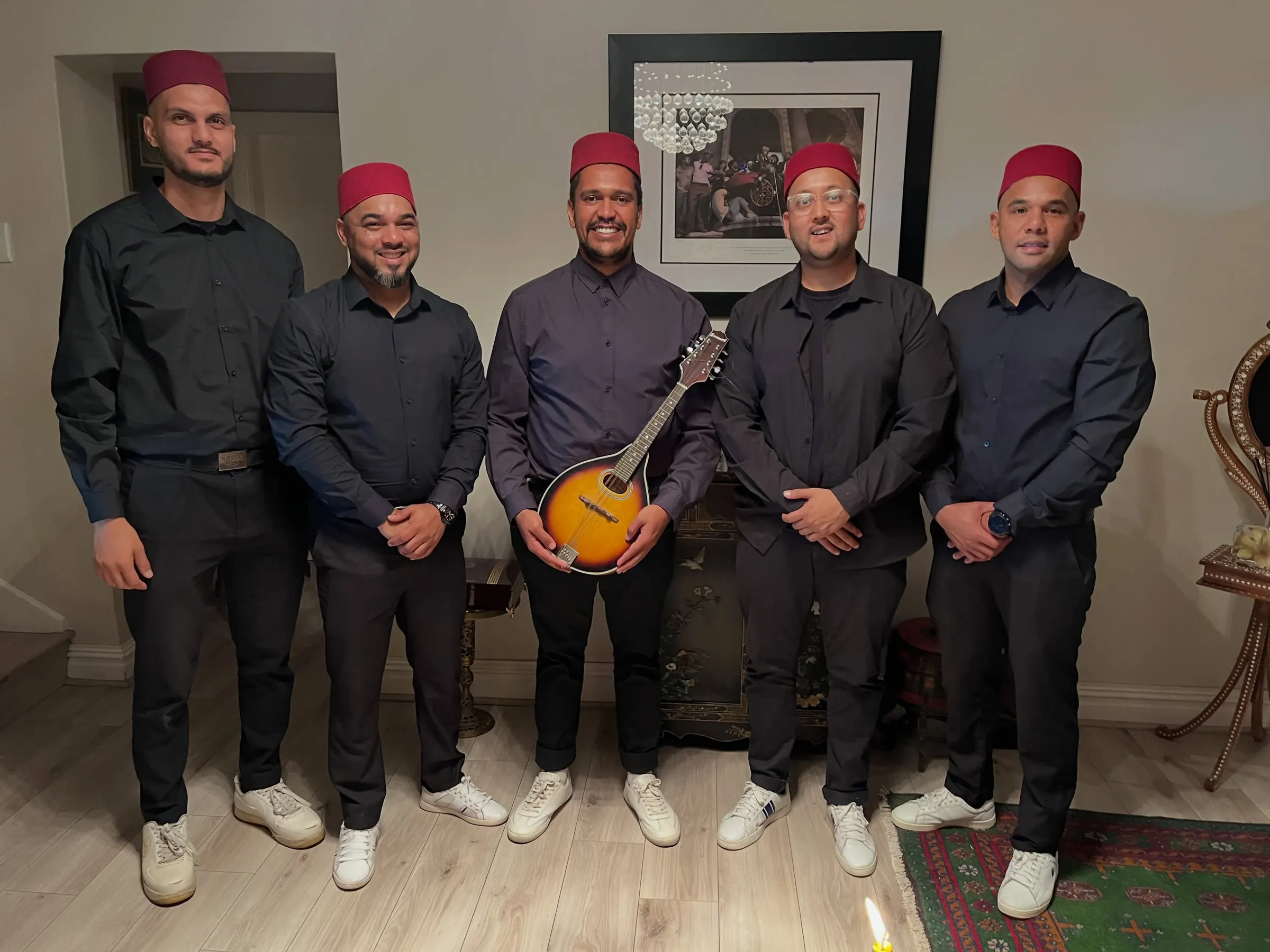
Mansoor performs solo and with the JAWAP band. Five musicians, one stage, and a red fez each.
Mansoor has played WOMAD South Africa at the V&A Waterfront, Suidoosterfees at Artscape, KKNK in Oudtshoorn, the Seychelles International Carnival and the Durban Rugby Festival.
Weddings and nikahs, community evenings, festivals, corporate events and tours. Tell us a little about yours and Mansoor will come back to you with availability and a quote.
Rather email? info@jawap.co.za